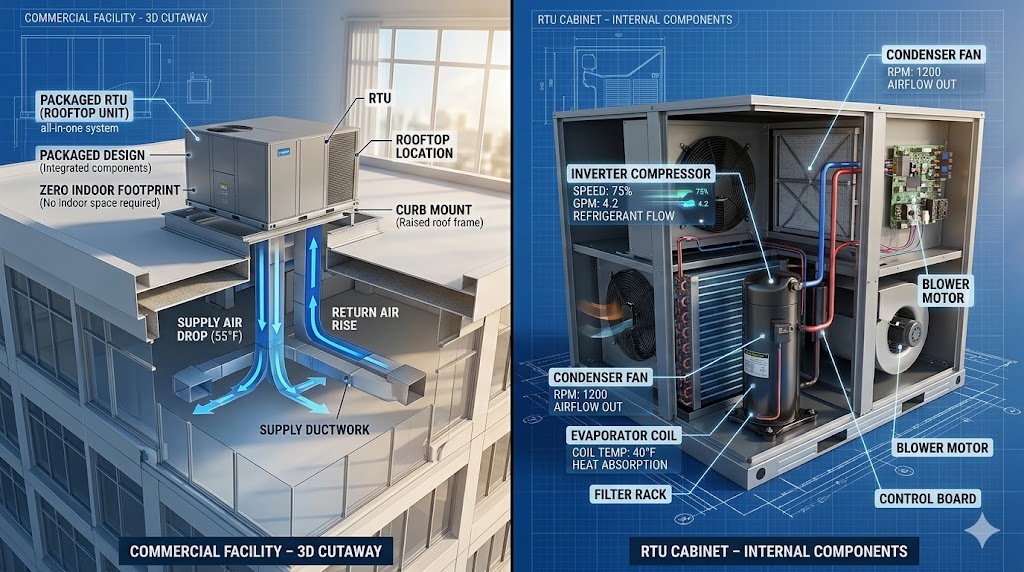
What does RTU Stand for in HVAC? (The Packaged System Auditor)
In the engineering world, RTU stands for Rooftop Unit. While most homes use a “split system” (where half the unit is outside and the other half is in a closet
In the engineering world, RTU stands for Rooftop Unit. While most homes use a “split system” (where half the unit is outside and the other half is in a closet
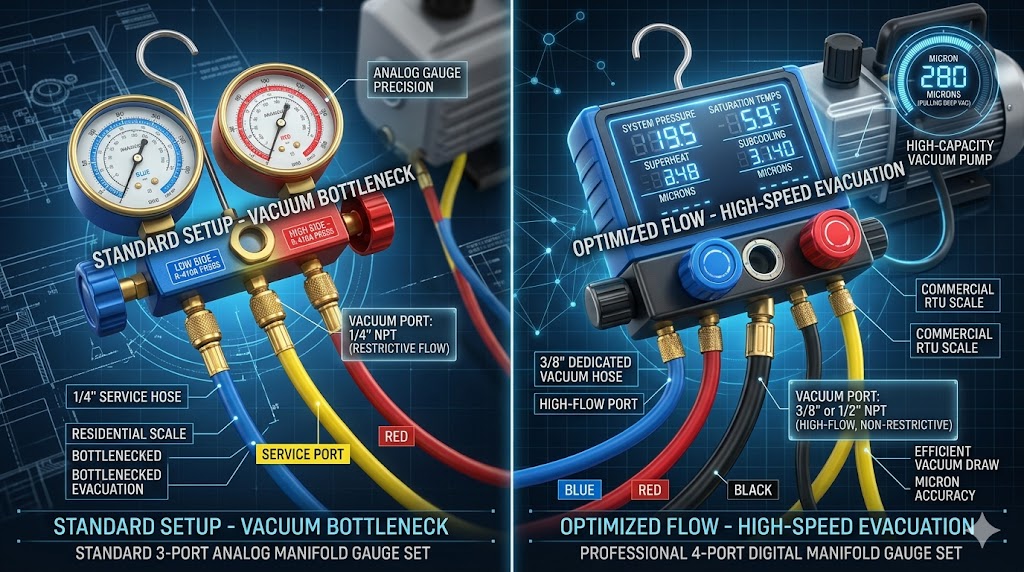
In the world of HVAC diagnostics, your Manifold Gauge Set is your direct interface with the refrigerant cycle. While both 3-port and 4-port sets measure pressure, they handle Evacuation (Vacuum)
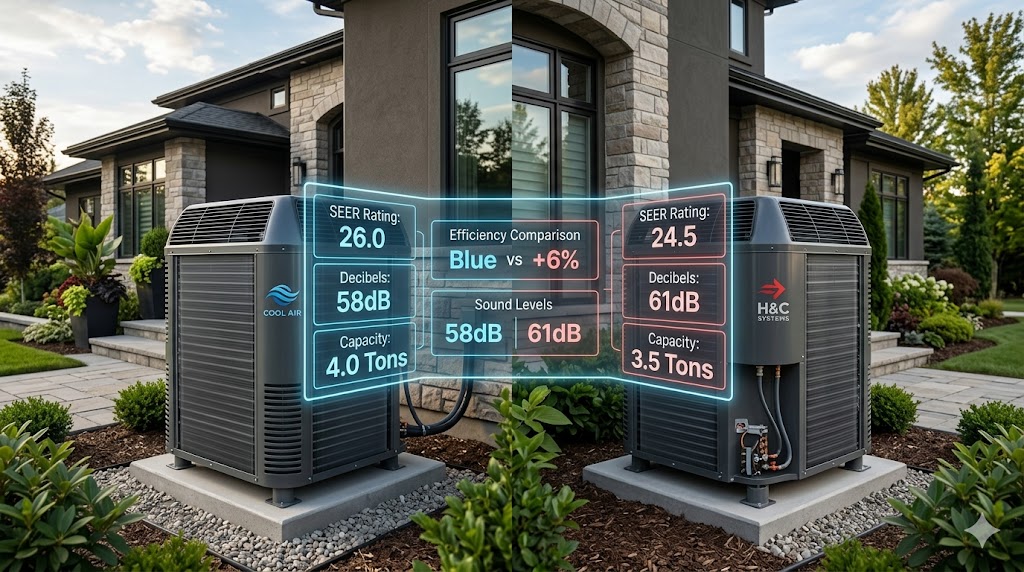
It is the worst-kept secret in the HVAC industry: Bryant and Carrier are manufactured by the same parent company, often rolling off the exact same assembly lines using identical internal
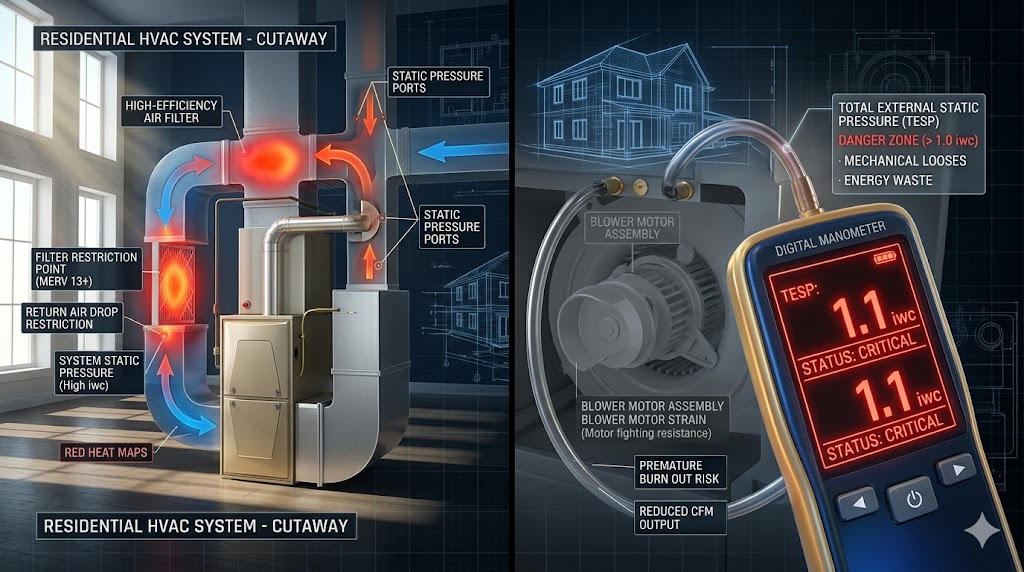
In the HVAC world, Static Pressure is the technical measurement of how much resistance your fan or blower motor is fighting against to move air through your home. Think of
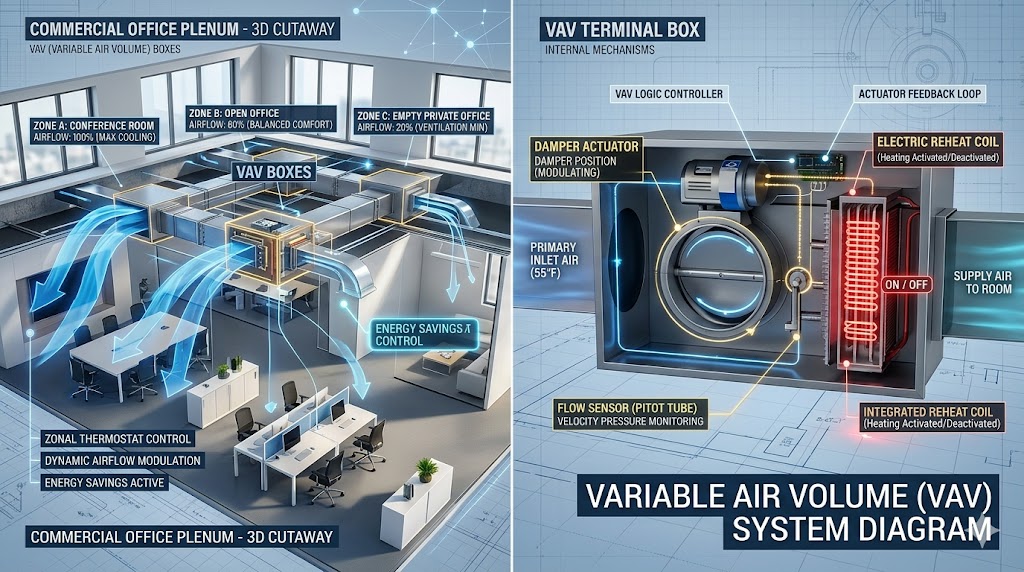
In large commercial buildings, a VAV (Variable Air Volume) system is the ultimate energy-saver. Unlike older CAV (Constant Air Volume) systems that blast air at the same speed all day,
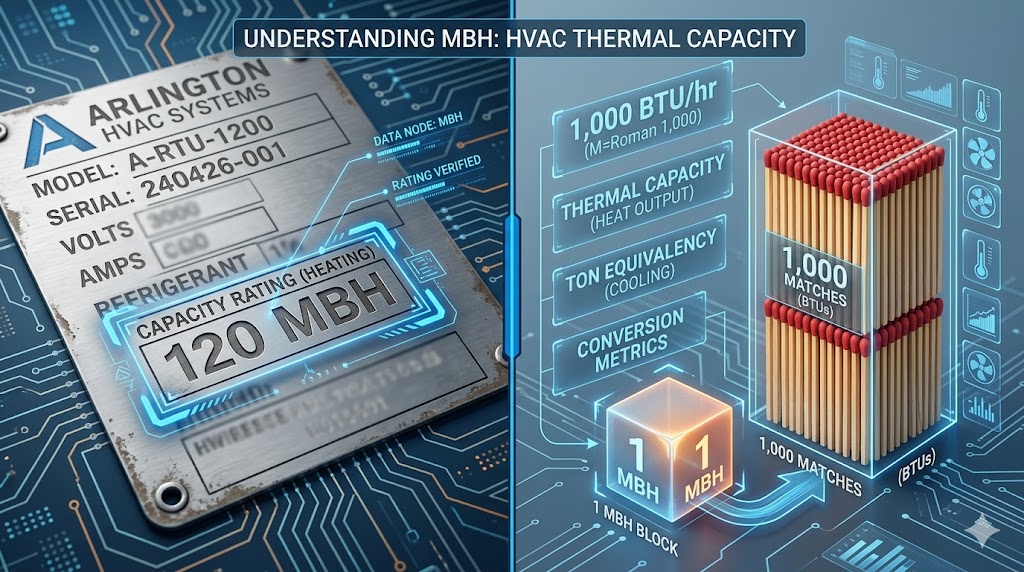
In the HVAC industry, MBH is a shorthand unit used to express large quantities of heat energy. The “M” comes from the Roman numeral for 1,000, and “BH” stands for
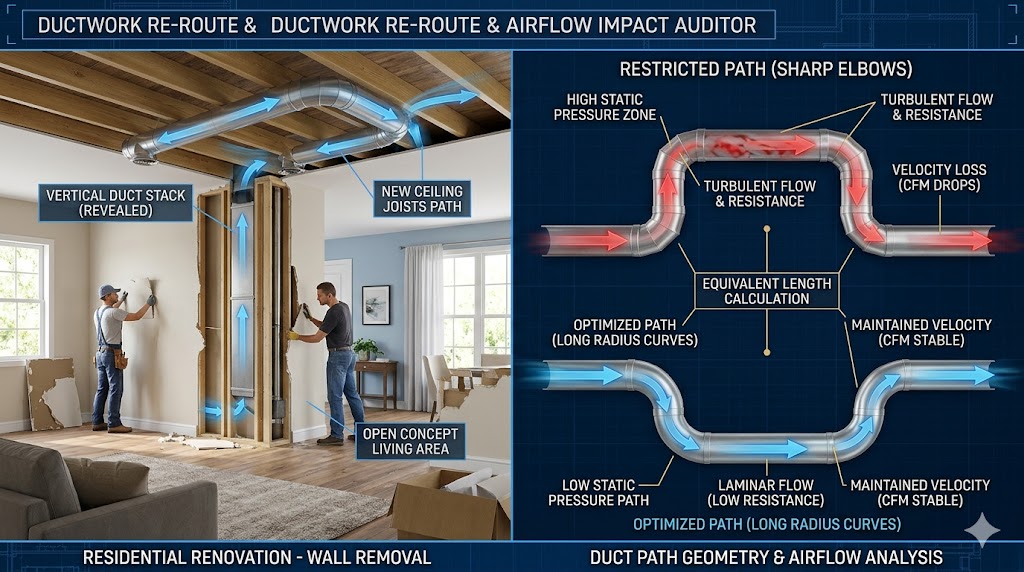
Removing a wall to create an “open concept” living space is a dream project, but that wall often hides the “veins” of your home—the HVAC ductwork. If you find a
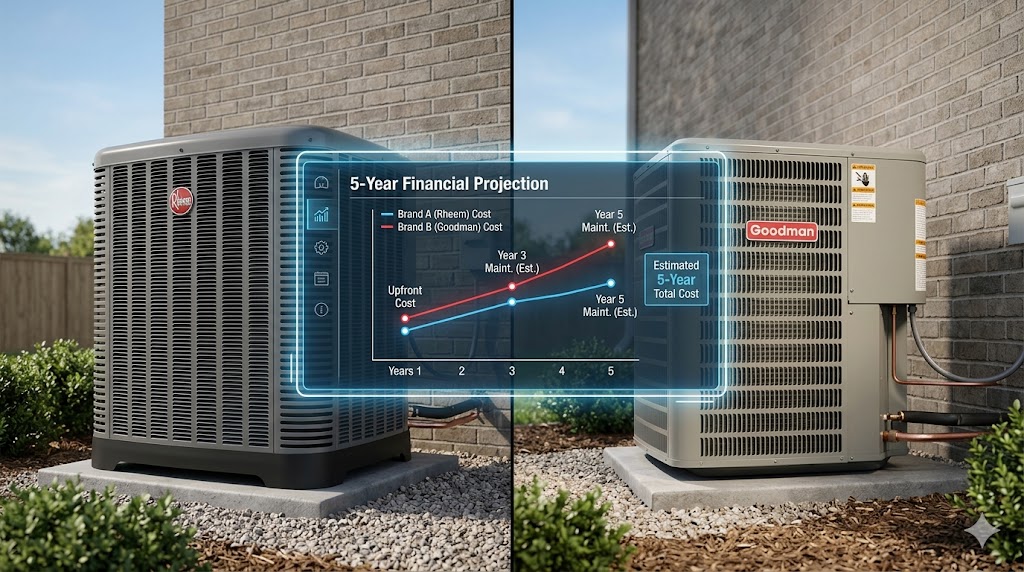
When comparing Rheem and Goodman air conditioners, most homeowners fixate entirely on the initial estimate. Goodman is legendary in the HVAC industry for its aggressive pricing and widespread availability, making
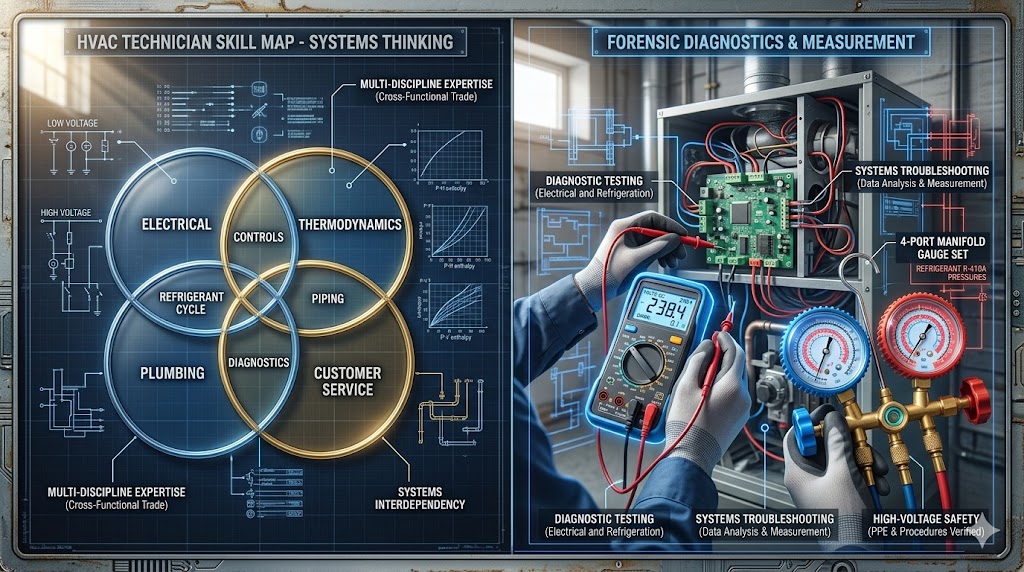
Is HVAC easy? The honest answer is that it is a “Multi-Discipline Trade.” Unlike many careers that focus on a single skill, an HVAC technician must be a hybrid of
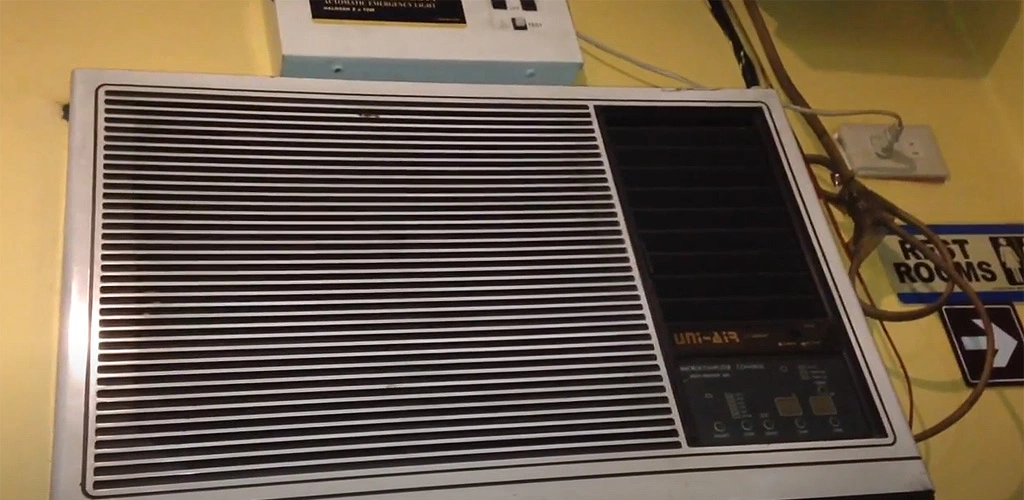
When you buy an air conditioner with your hard-earned money, then you are very concerned about the safety of your air conditioner. That’s why you must know all the dos
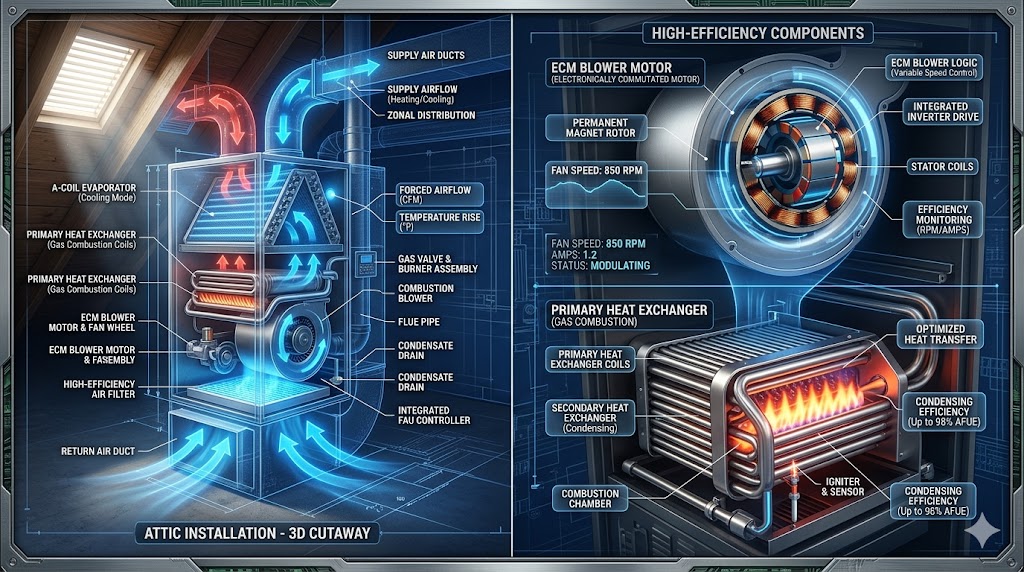
In the HVAC industry, FAU stands for Forced Air Unit. This is the specialized equipment—typically a furnace or a blower coil—that physically pushes air through your home’s ductwork. While people
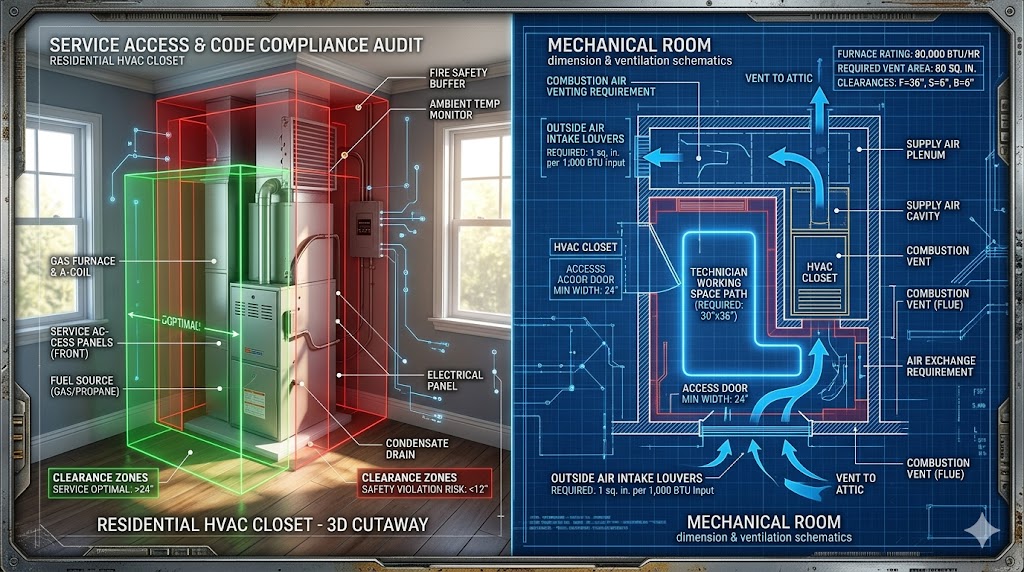
Designing or renovating an HVAC Closet is a balancing act between saving floor space and ensuring your system can “breathe” and be serviced. While it’s tempting to build the smallest
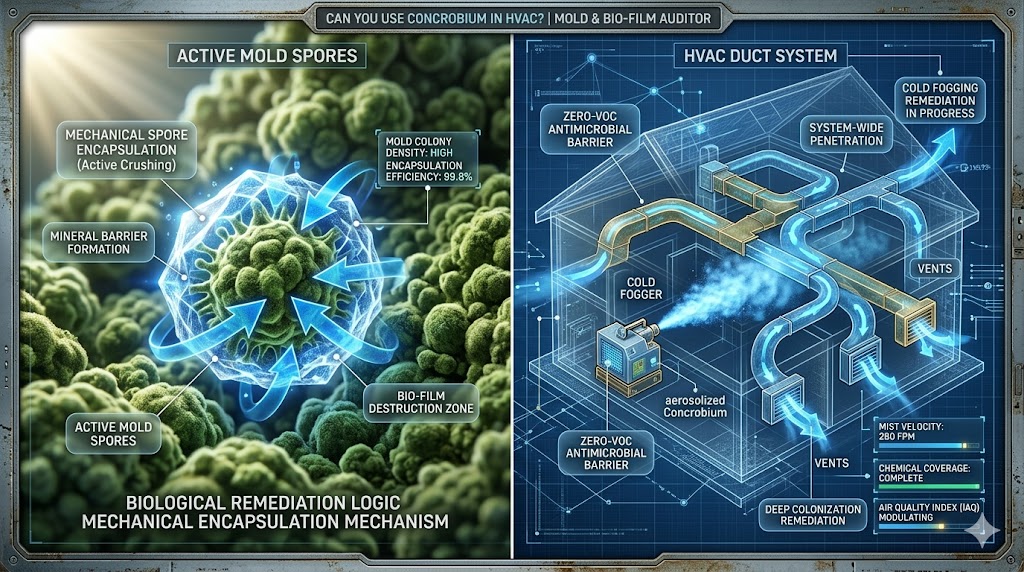
In the dark, damp environment of an HVAC system, mold isn’t just a surface stain—it’s a biological system. Traditional cleaners like bleach often fail because they are mostly water; the
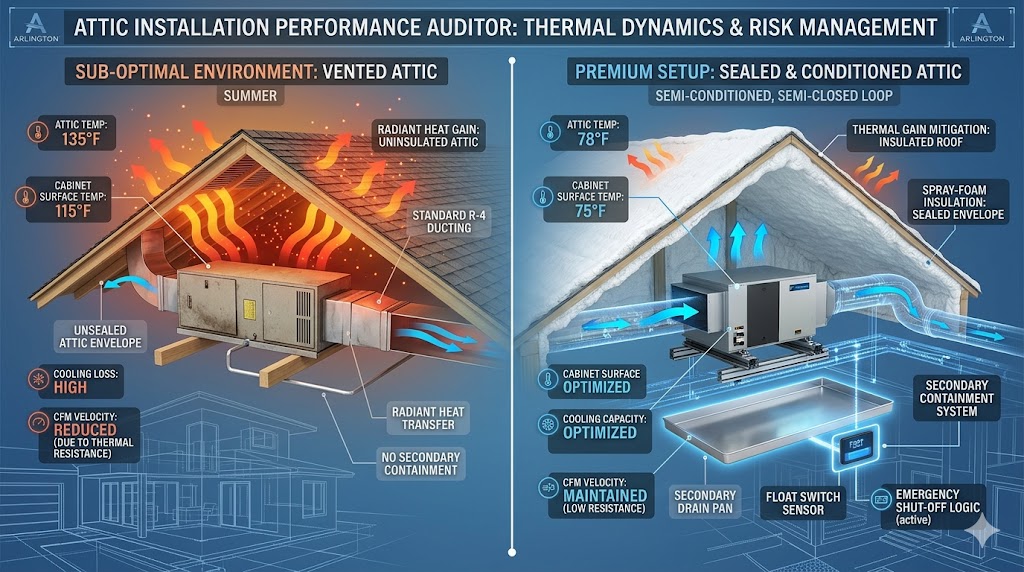
In many modern homes, the attic is the go-to spot for the FAU (Forced Air Unit). It clears up valuable closet space and simplifies ductwork runs to upper-floor bedrooms. However,
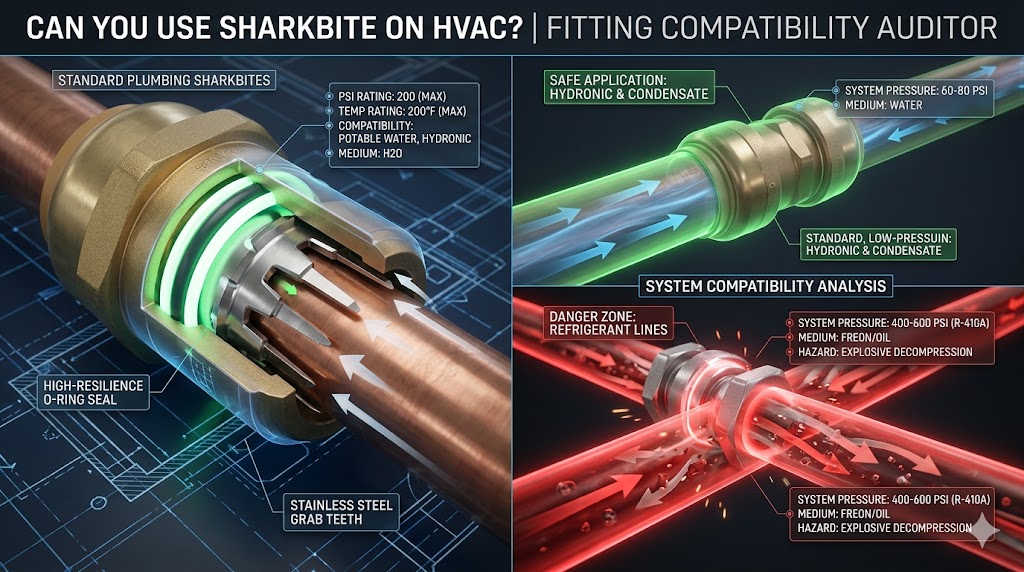
In the world of home repair, SharkBite (push-to-connect) fittings have revolutionized plumbing. They allow you to join copper, PEX, and CPVC without torches or glue. But when you move from
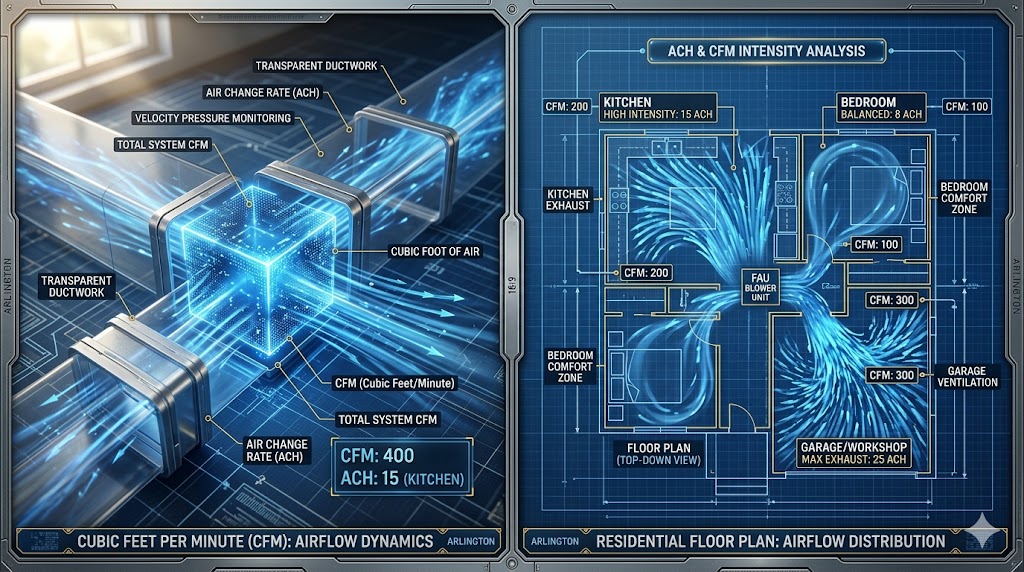
In the HVAC world, CFM stands for Cubic Feet per Minute. Think of it as the “volume” of air moving through your vents. If your CFM is too low, your
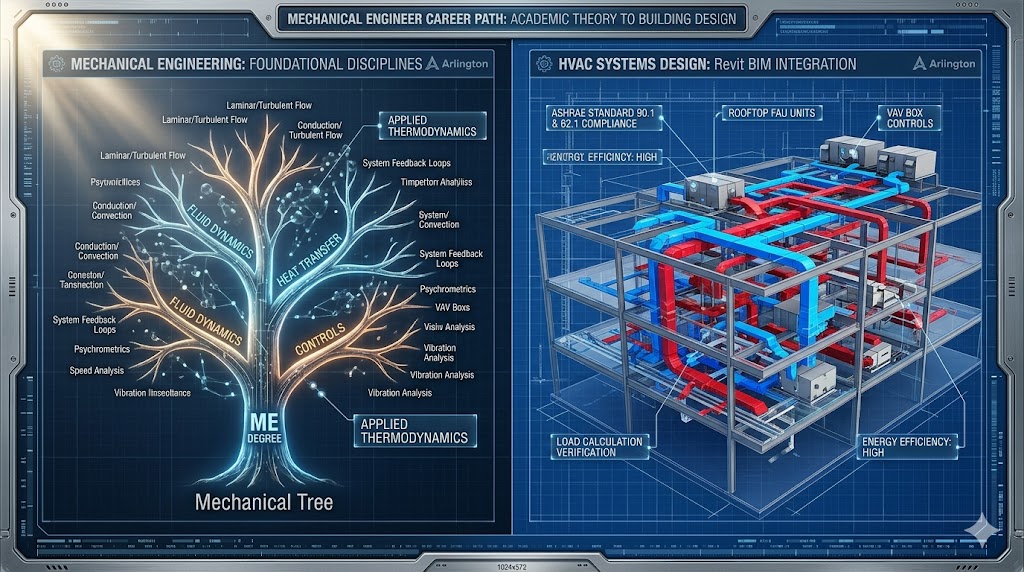
Is HVAC a good career for a Mechanical Engineer? Many MEs view HVAC as “applied plumbing,” but at the professional engineering level, it is a sophisticated study of Thermodynamics, Heat

There is no second opinion that cooling is one of the most essential and important comforts for any person. On hot summer days, a person may not be able to
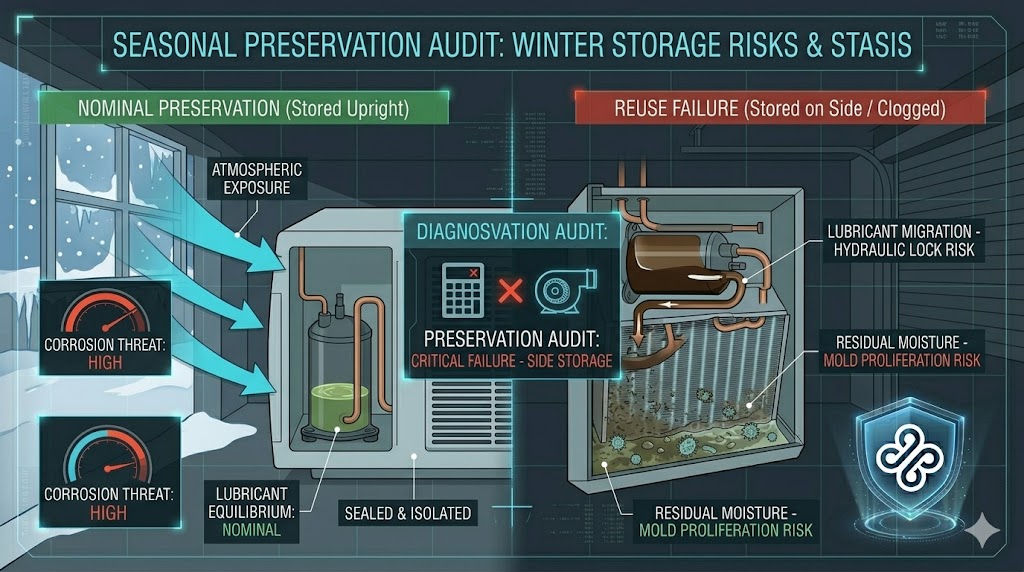
When the cooling season concludes, your HVAC unit enters a critical phase of Atmospheric Stasis. Simply leaving a window unit exposed to winter elements or storing it improperly in a

Many homes today are around 2000 sq ft. While houses with this measurement are not small, these are not that big either. This is why many homeowners have a hard