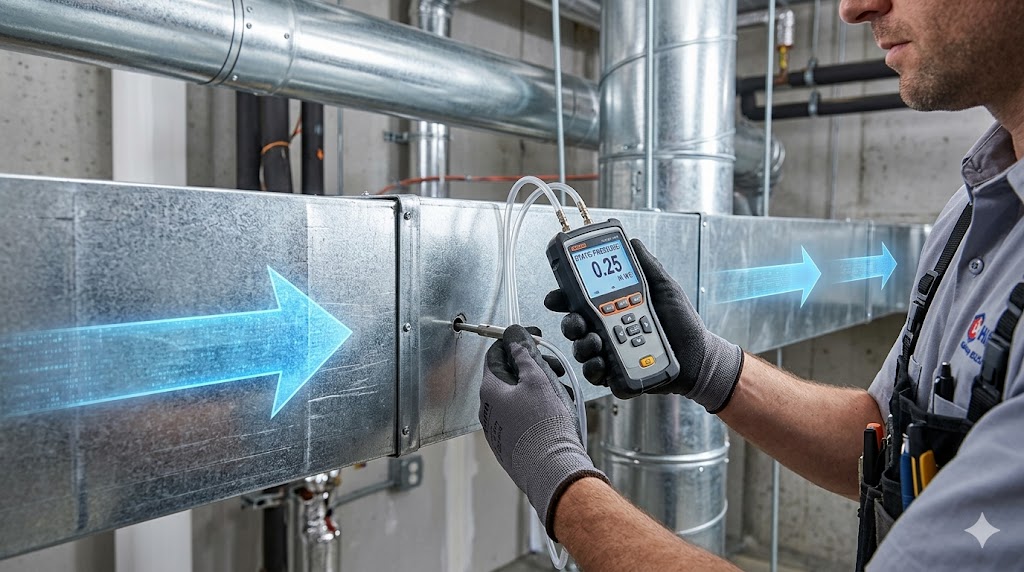
How to measure ductwork for HVAC
Measuring ductwork is about more than just ensuring the metal pipes fit in your attic; it’s about calculating the CFM (Cubic Feet per Minute) capacity of your entire home. Most
Precision control systems for heating, ventilation, and air conditioning—optimized for Singapore's high-density urban environments and commercial infrastructure.
Measuring ductwork is about more than just ensuring the metal pipes fit in your attic; it’s about calculating the CFM (Cubic Feet per Minute) capacity of your entire home. Most
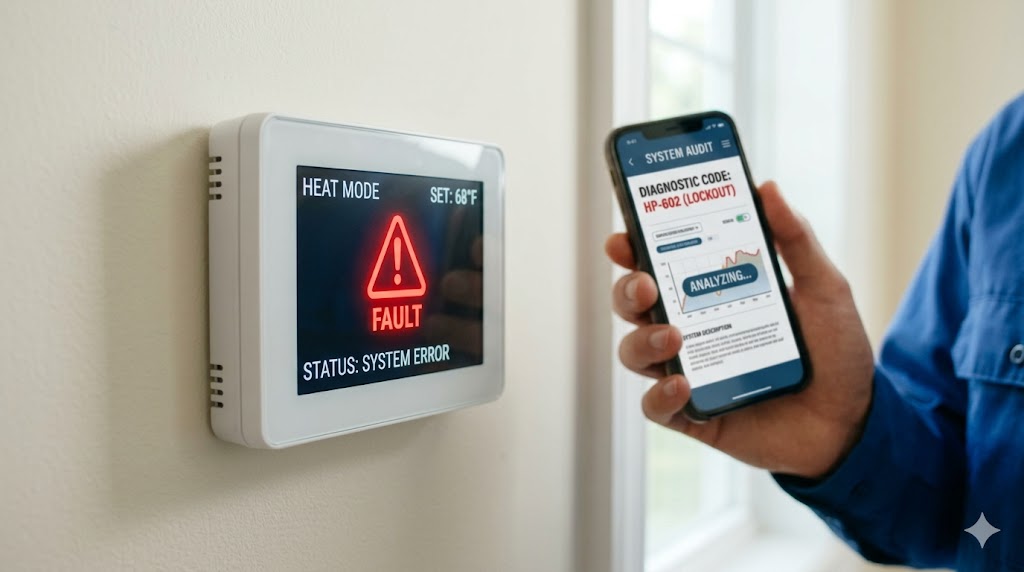
A flashing light on your heat pump thermostat or outdoor unit is designed to communicate a specific status code, but without a manual, it often feels like a cryptic warning
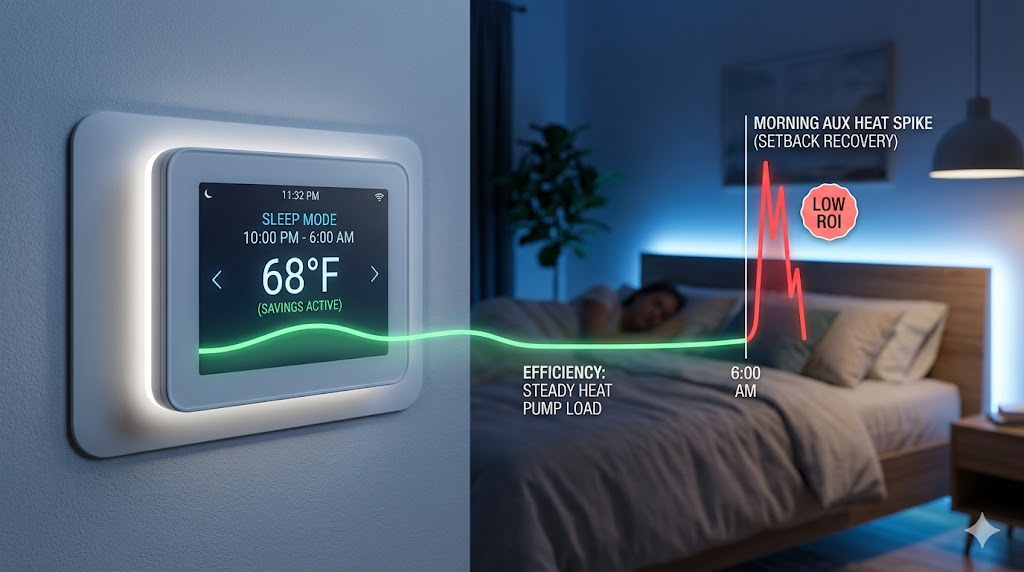
The “setback” strategy—turning your thermostat down 5 to 10 degrees at night—has been standard advice for traditional gas furnaces for decades. However, applying this same logic to a heat pump

Finding mold inside your heat pump is more than an aesthetic issue—it is a sign that your system’s moisture management has failed. Heat pumps are inherently prone to biological growth
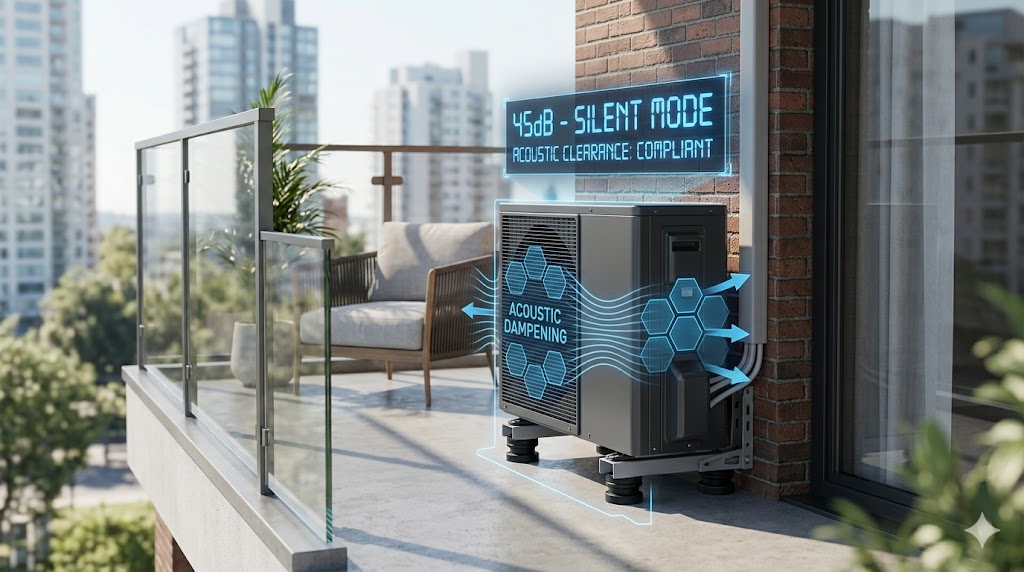
While the short answer is yes, you can install a heat pump in a flat, the technical reality is dictated by three factors: space, sound, and distance. Unlike a detached

A common misconception is that heat pumps “create” illness; however, a heat pump is simply a heat exchanger that moves energy from one place to another. It does not burn

The high upfront cost of an air source heat pump often surprises homeowners accustomed to the lower price tags of traditional gas furnaces or standard AC units. However, the “expense”
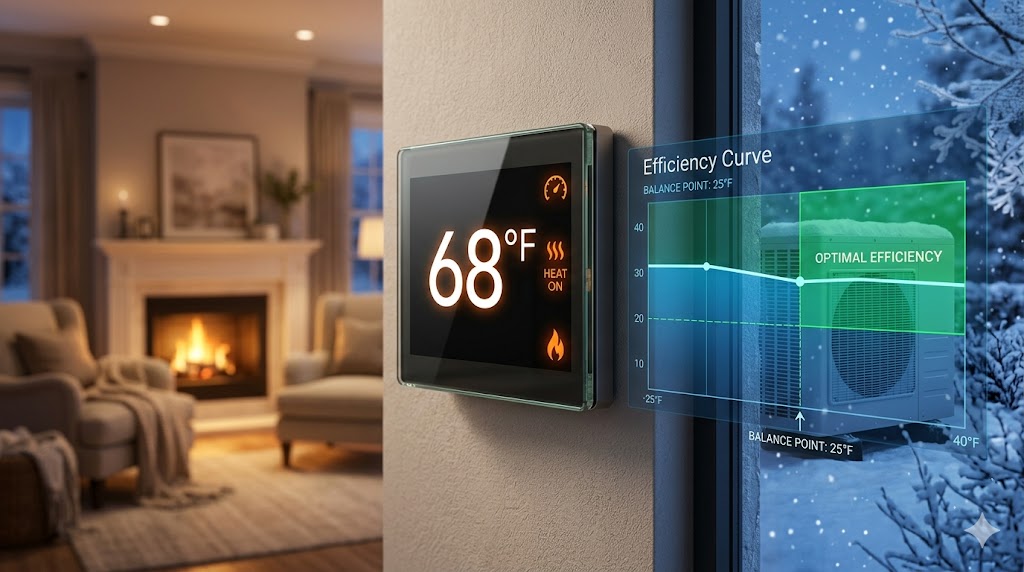
While most energy experts suggest 68°F (20°C) as the best temperature for heat pumps in winter, the most efficient setting for your home isn’t just about comfort—it’s about avoiding Auxiliary
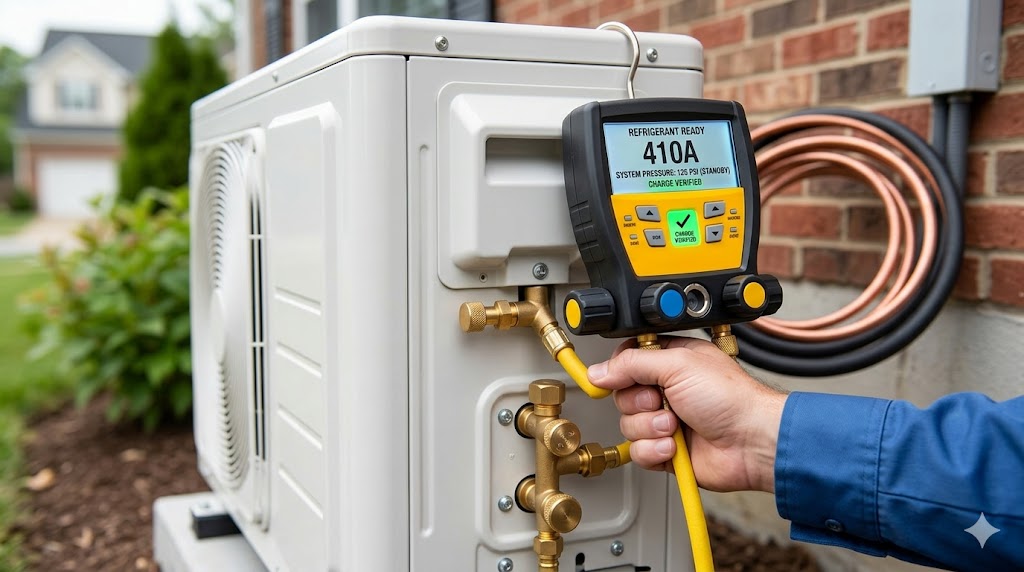
While almost all modern split-system heat pumps come “pre-charged” from the factory, there is a critical technical nuance that many homeowners and DIY installers miss: the charge is only calculated
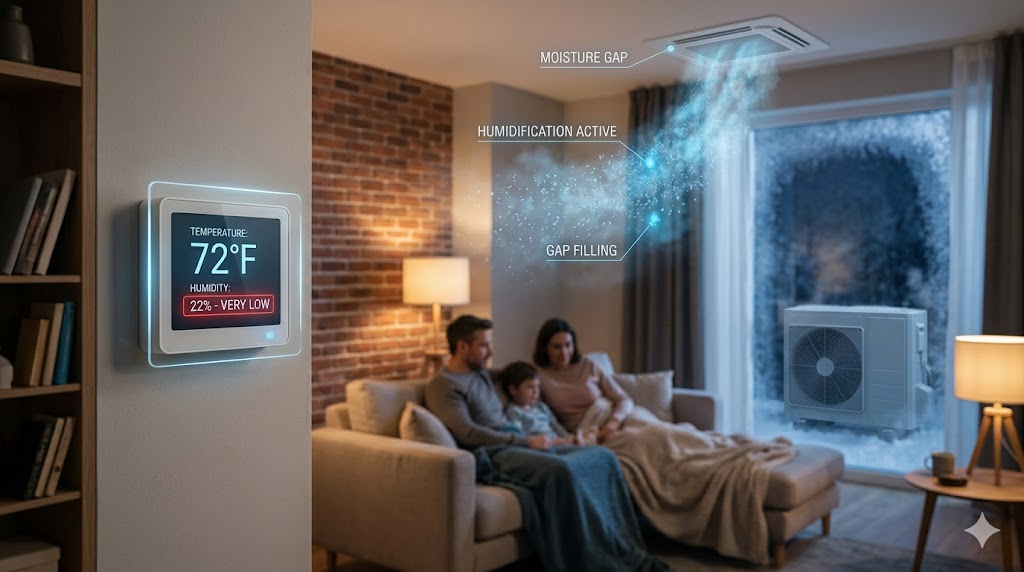
It is a common myth that heat pumps “dry out” the air more than other heating systems. In reality, a heat pump in heating mode does not have a combustion
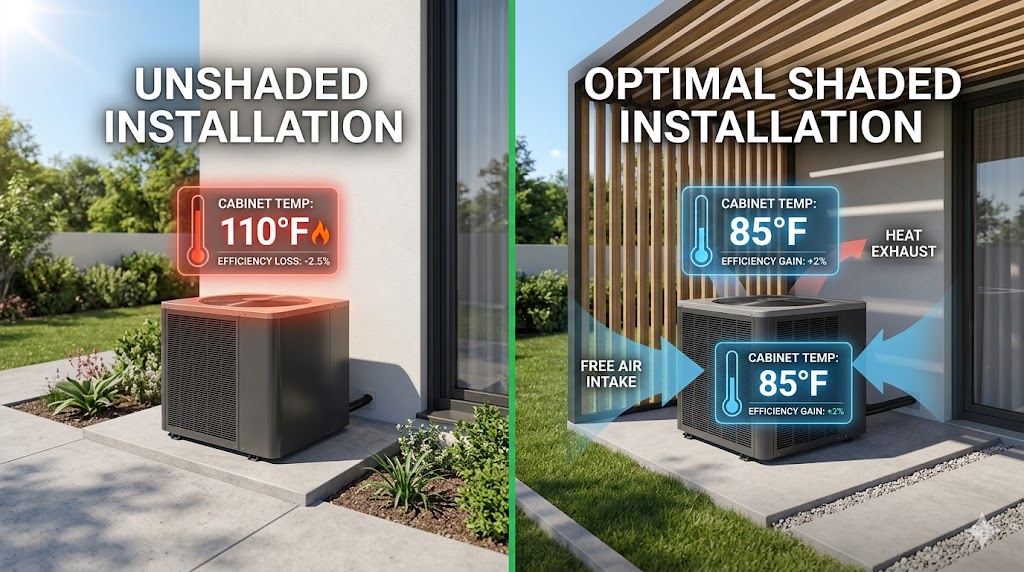
While the short answer is yes—heat pumps do work slightly more efficiently in the shade—the difference is often smaller than you might think. During the cooling season, direct sunlight on
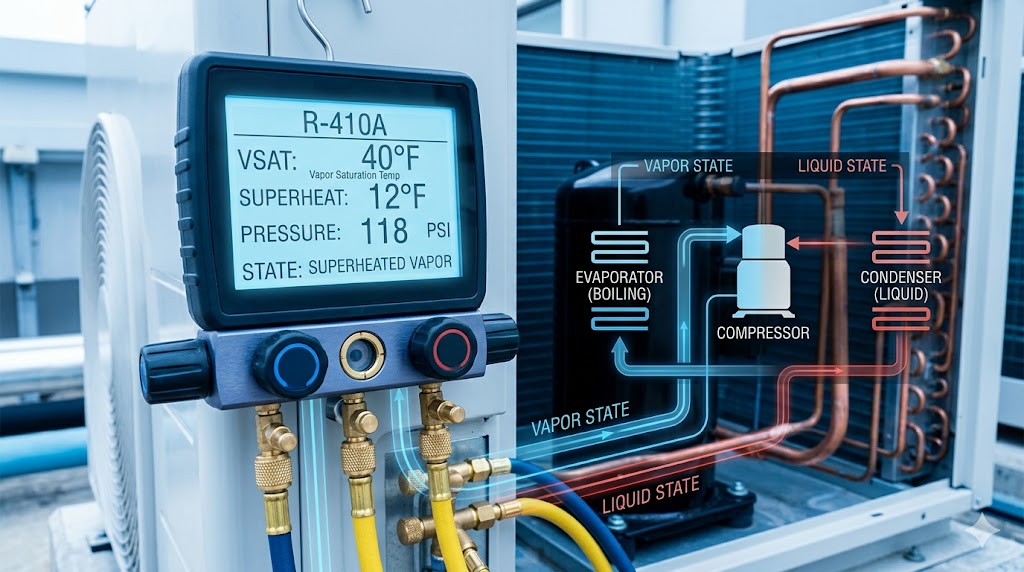
In the HVAC world, VSAT stands for Vapor Saturation Temperature. It represents the exact temperature at which a specific refrigerant changes state from a liquid to a vapor (boils) at

In modern commercial building automation, a JACE (Java Application Control Engine) acts as the universal translator and “brain” for complex HVAC networks. While a standard thermostat controls one unit, a
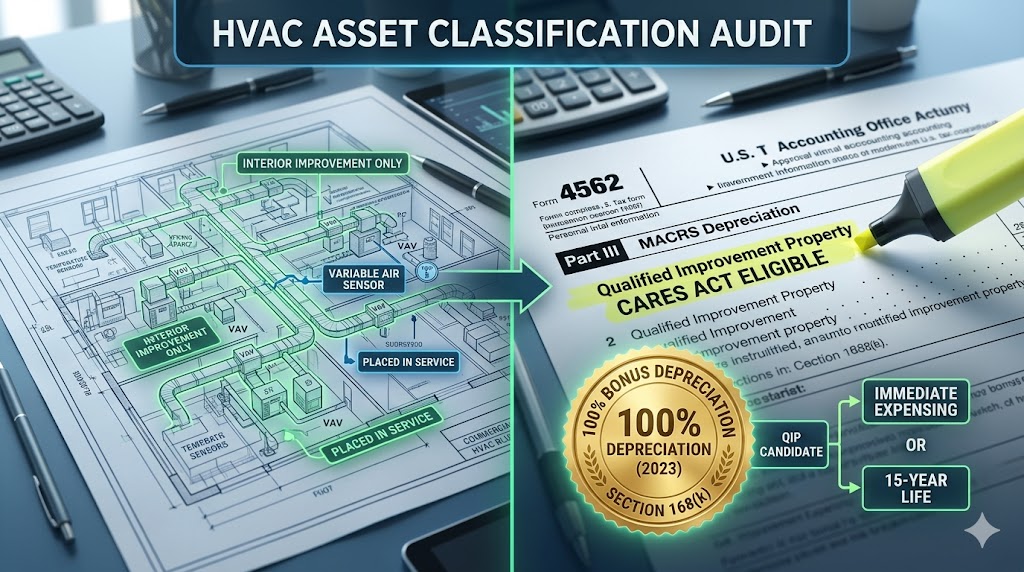
Determining if an HVAC system is considered Qualified Improvement Property (QIP) is one of the most critical financial decisions a commercial property owner can make. Under the CARES Act of

While the answer to “is ecobee compatible with my HVAC” is “Yes” for roughly 95% of North American homes, the real question is whether your system provides the necessary 24V
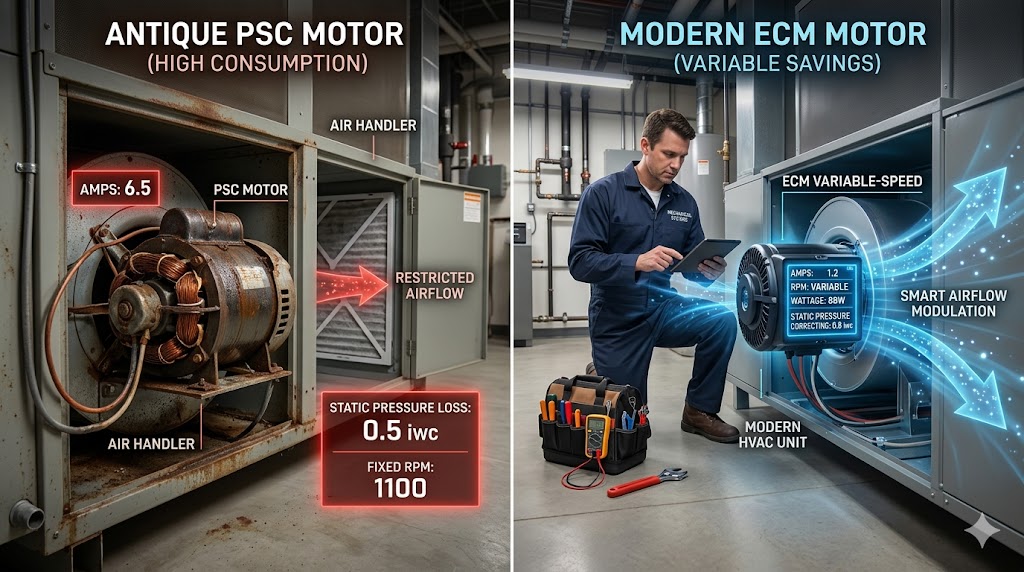
In the HVAC industry, ECM stands for Electronically Commutated Motor. Unlike traditional PSC (Permanent Split Capacitor) motors that run at a single, fixed speed, an ECM is a smart, brushless
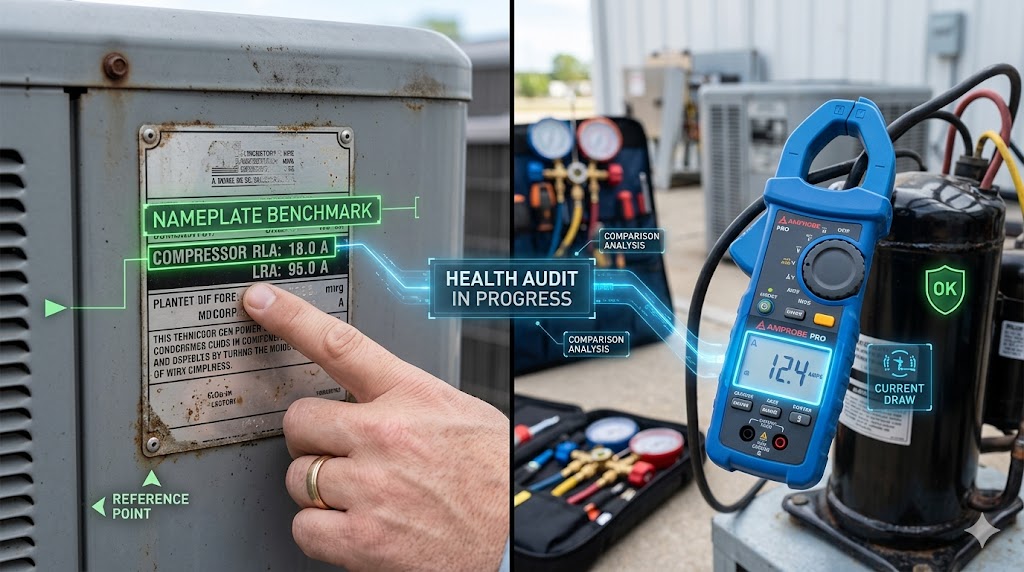
In the HVAC industry, RLA stands for Rated Load Amps. It represents the maximum current a compressor should draw under its most demanding design conditions. Many people mistakenly call it
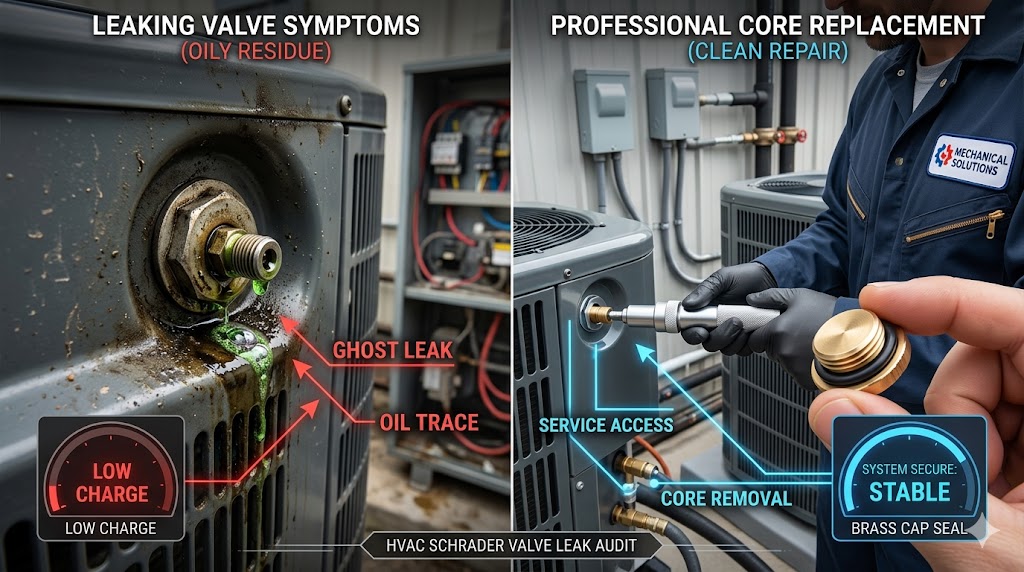
A Schrader valve is the primary access point for your HVAC system’s refrigerant circuit. Often referred to as a “service port,” this small, spring-loaded poppet valve is what allows technicians
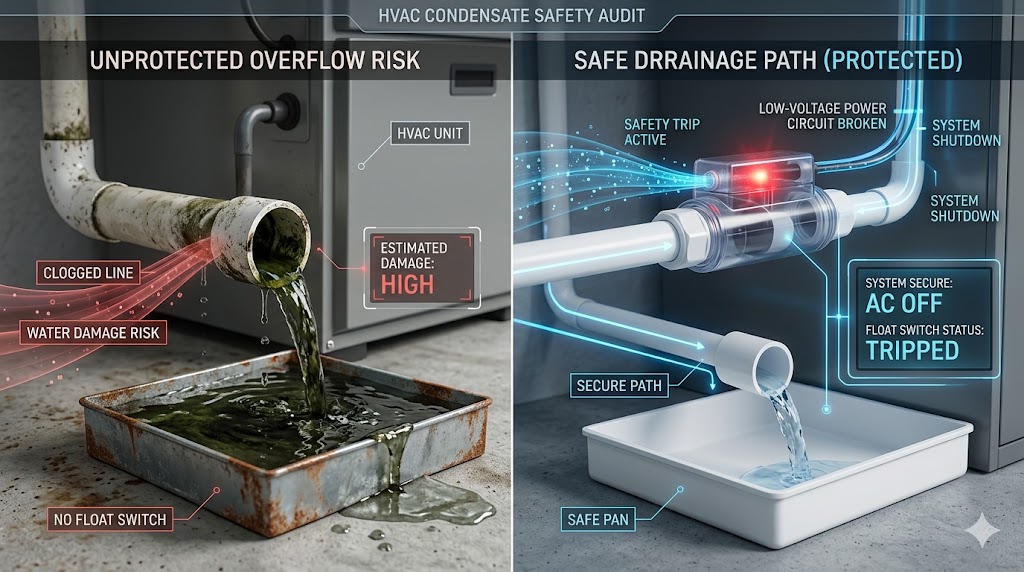
In any high-efficiency cooling system, an HVAC float switch (also known as a condensate overflow switch) is the primary safety device designed to prevent catastrophic water damage. As your air
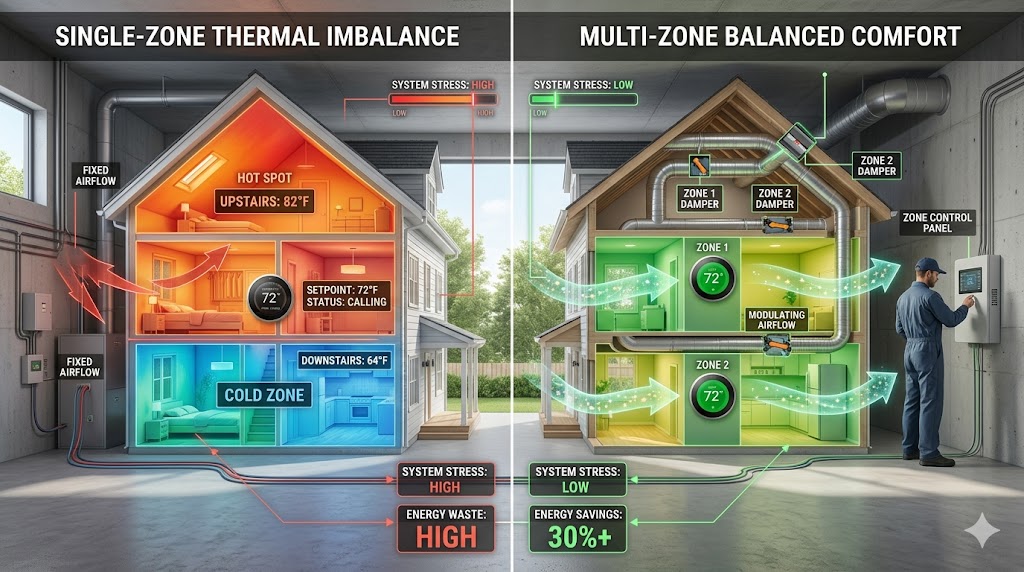
Deciding if zoned HVAC is worth it depends entirely on the architectural “thermal load” of your property. In a standard single-zone system, one thermostat controls the entire house, often leading