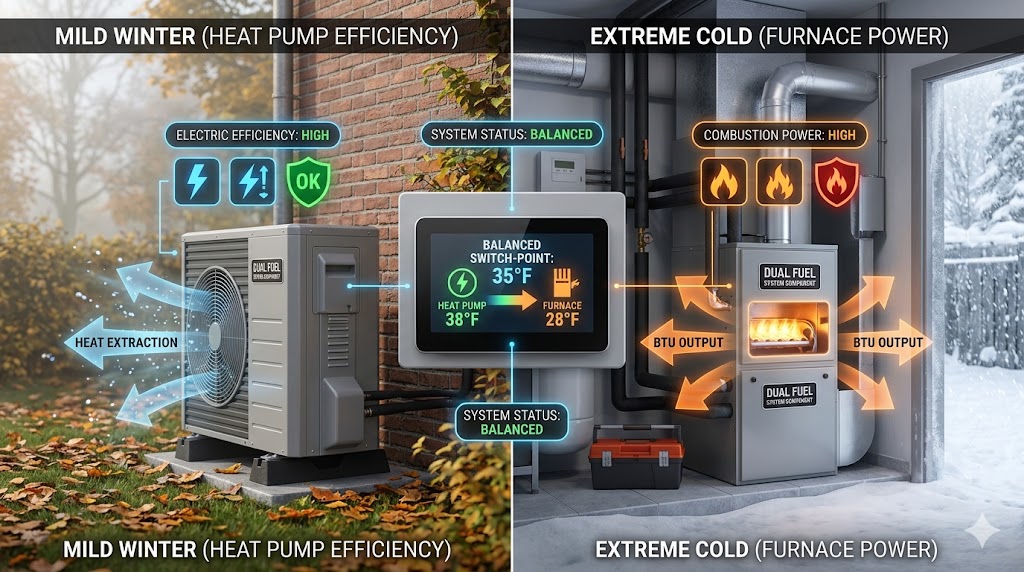
What is Dual Fuel HVAC? (The Hybrid Efficiency Audit)
A Dual Fuel HVAC system (also known as a hybrid heat system) is a high-efficiency pairing that combines an electric air-source heat pump with a backup gas or propane furnace.
Precision control systems for heating, ventilation, and air conditioning—optimized for Singapore's high-density urban environments and commercial infrastructure.
A Dual Fuel HVAC system (also known as a hybrid heat system) is a high-efficiency pairing that combines an electric air-source heat pump with a backup gas or propane furnace.
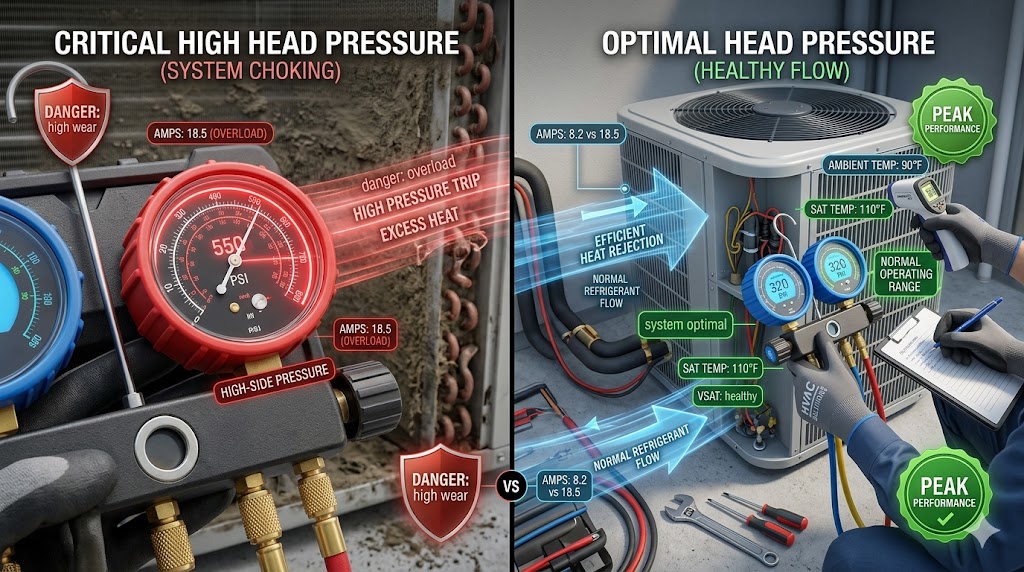
In the HVAC world, head pressure refers to the high-side pressure generated by the compressor as it pumps refrigerant through the condenser coil. Think of it as the “pushing force”
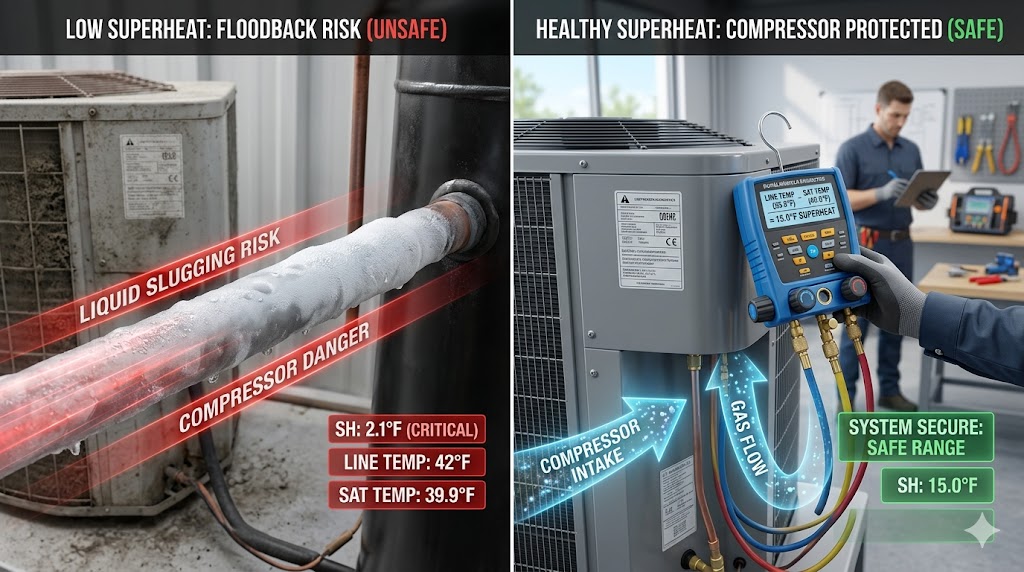
In the refrigeration cycle, superheat is the number of degrees a vapor is heated above its boiling point (saturation temperature). For an HVAC system, superheat is the single most important
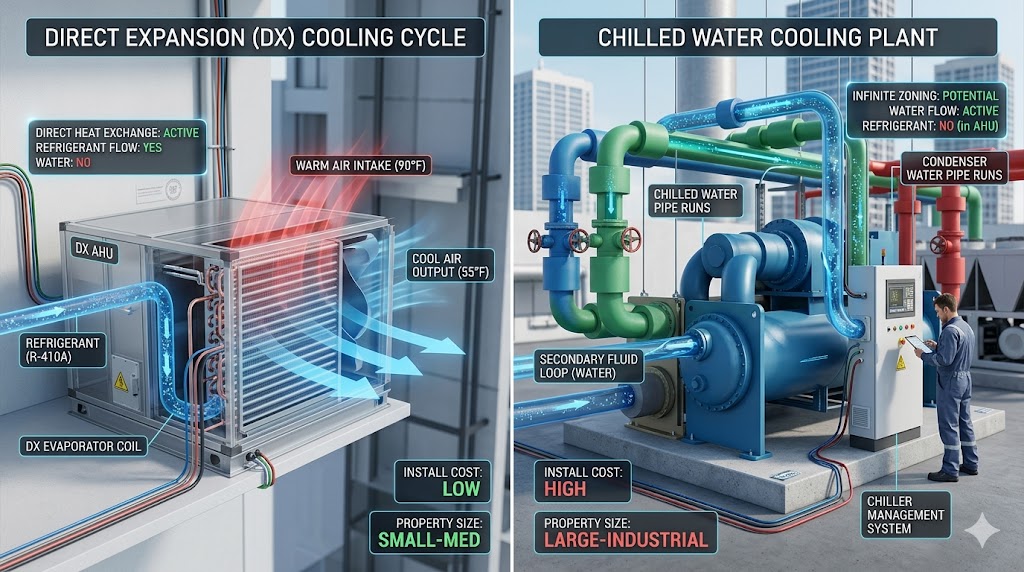
In the HVAC world, DX stands for Direct Expansion. It refers to a refrigeration system where the evaporator coil (the part that gets cold) is in direct contact with the
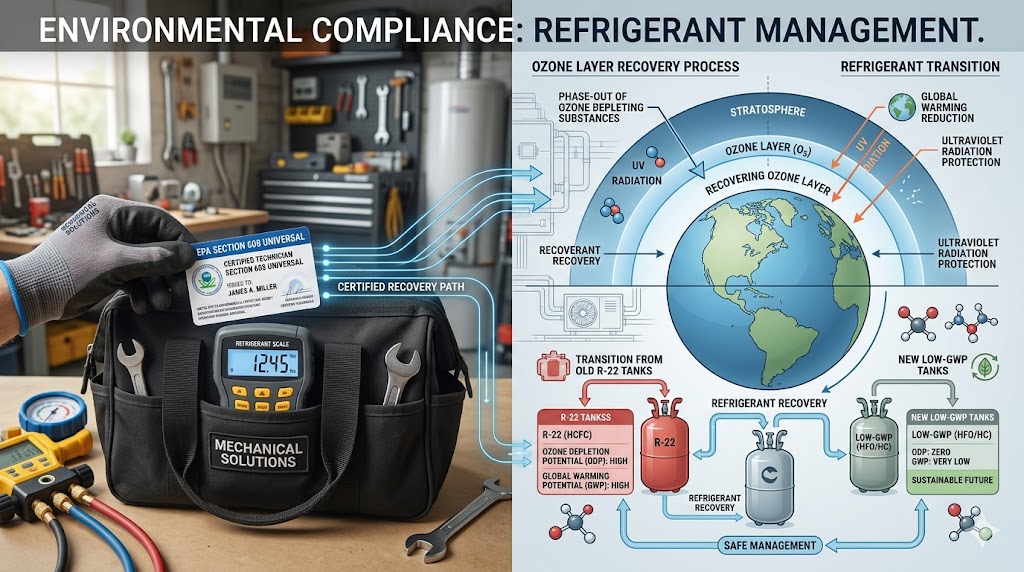
In the HVAC industry, EPA stands for the Environmental Protection Agency. This federal body is responsible for enforcing Section 608 of the Clean Air Act, which strictly regulates the handling,
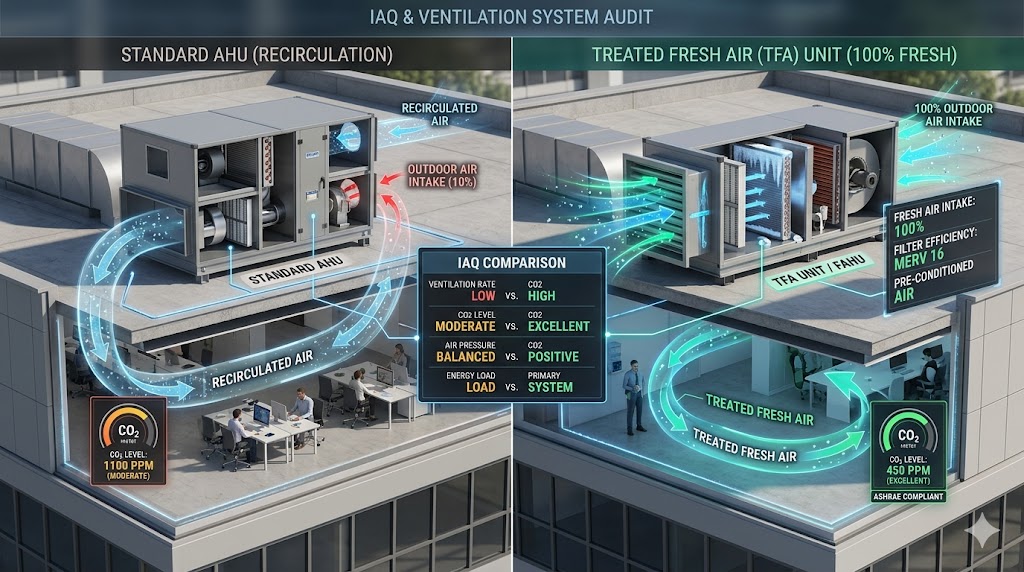
In large-scale commercial buildings and high-occupancy spaces, TFA stands for Treated Fresh Air. Unlike a standard Air Handling Unit (AHU) that primarily recirculates indoor air, a TFA unit (also known
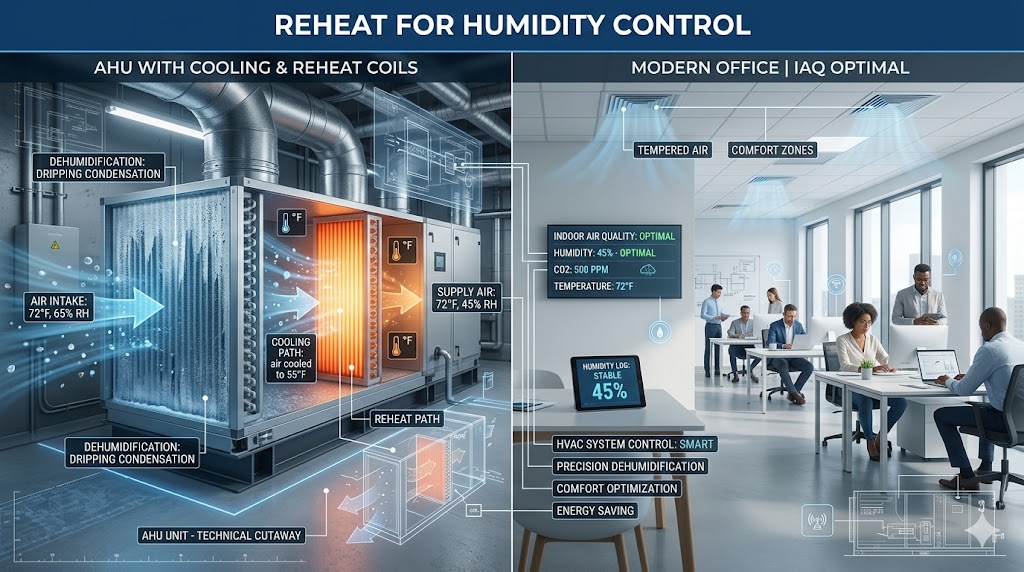
In the world of climate control, Reheat is the process of adding heat to air that has already been cooled by an evaporator coil. At first, this sounds like a
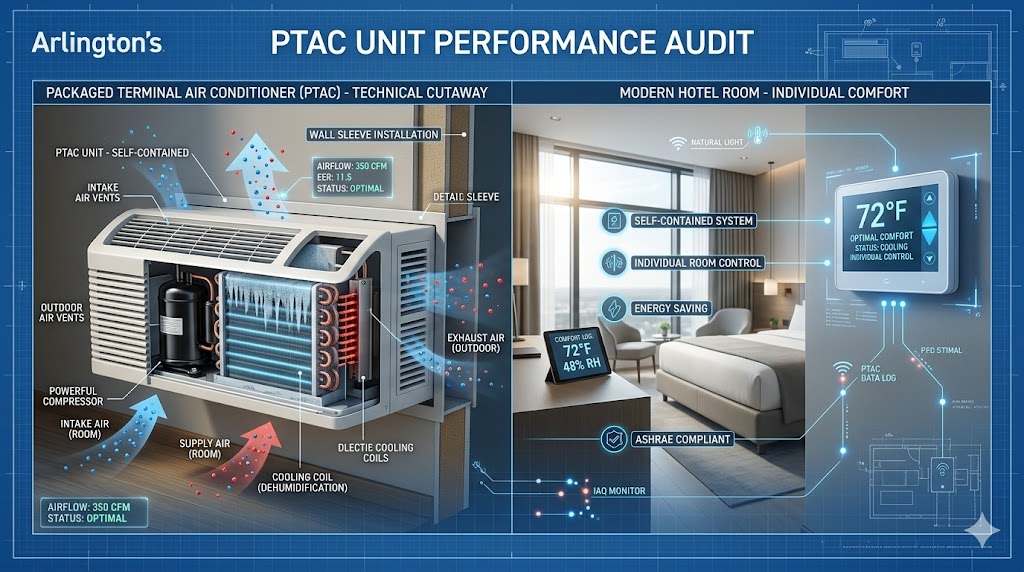
In the HVAC industry, PTAC stands for Packaged Terminal Air Conditioner. These are self-contained, ductless units designed to provide cooling and heating to a single room through a wall sleeve.
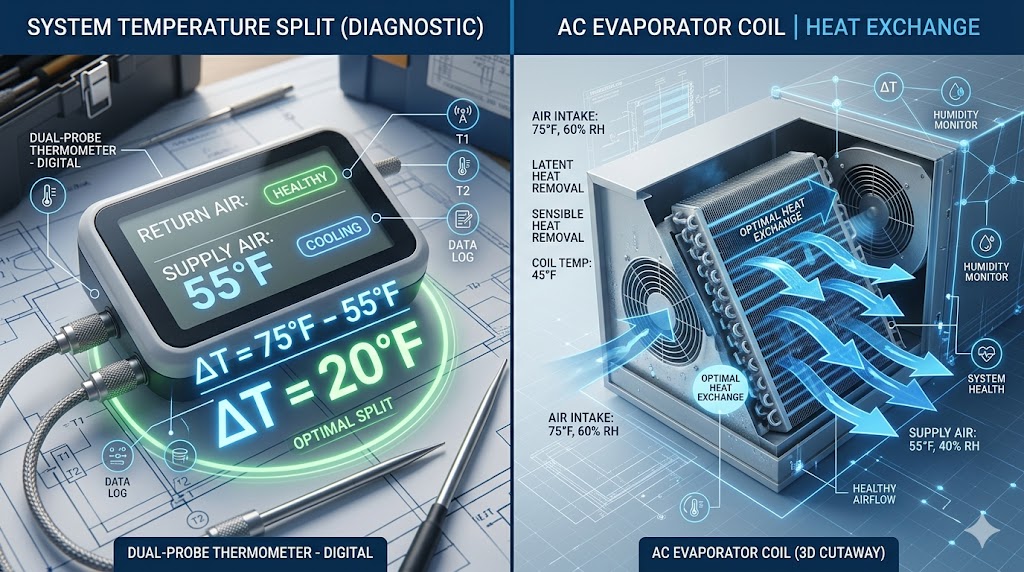
In the HVAC world, Delta T ($\Delta T$) is the most critical metric for determining if an air conditioner is actually working. The “Delta” ($\Delta$) is the mathematical symbol for
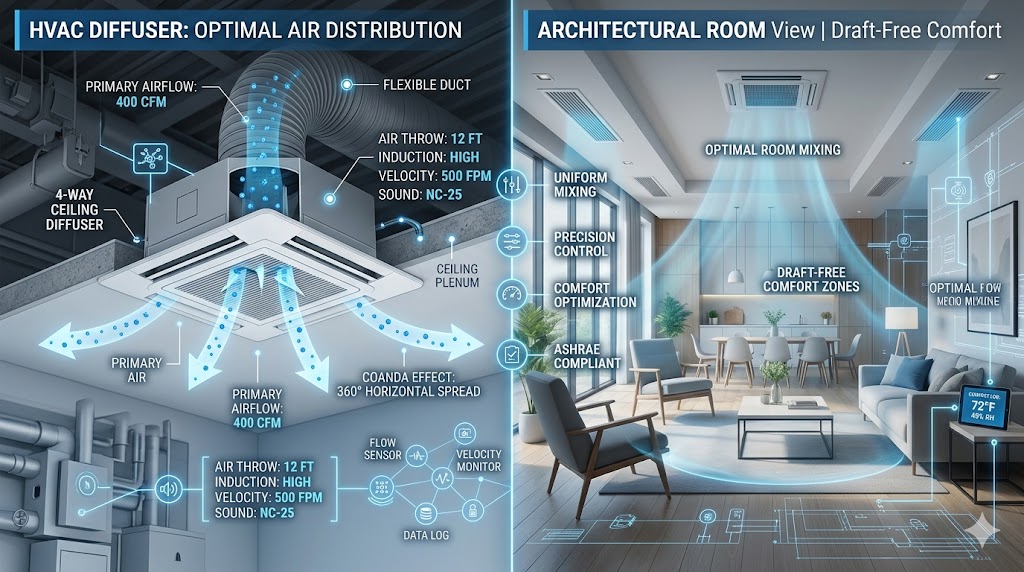
In a standard ventilation system, a Diffuser is the terminal device designed to distribute air in specific patterns and directions. While a standard “register” simply blows air in a straight
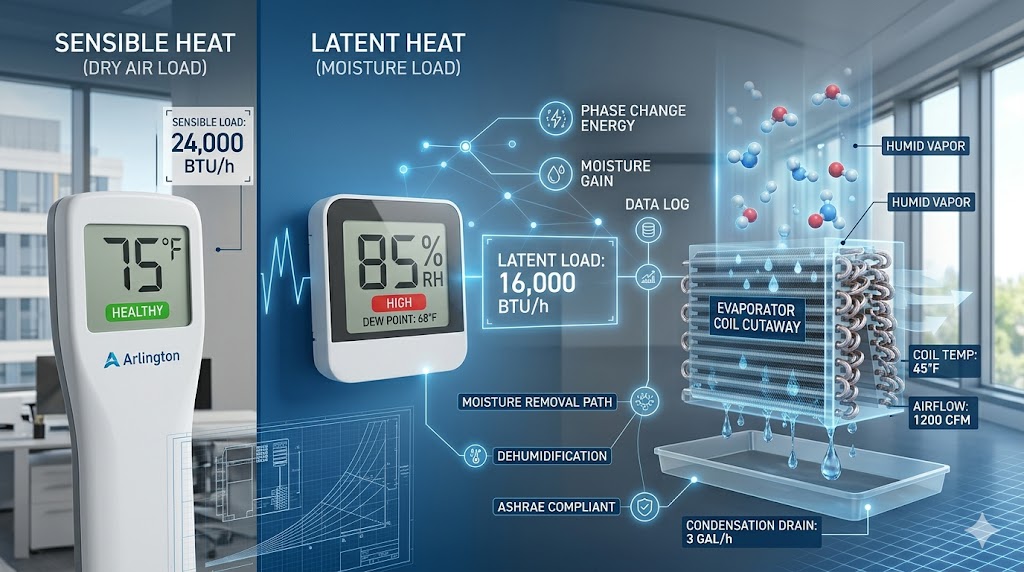
In the HVAC industry, Latent Heat is the “hidden” energy contained in the moisture (humidity) within the air. Unlike Sensible Heat, which you can see on a thermometer, latent heat
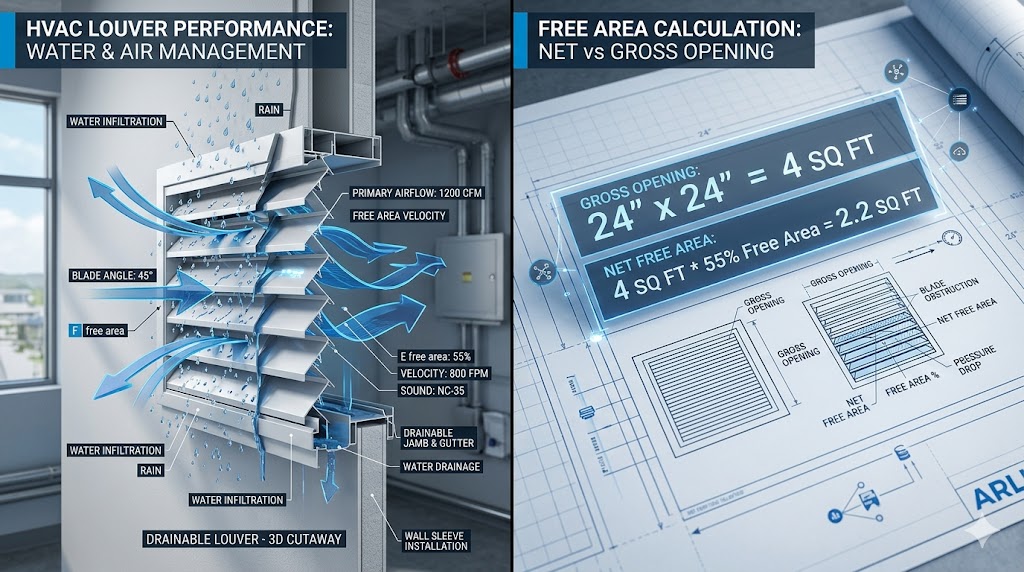
In building design, Louvers are the first line of defense for your ventilation system. They are assemblies of fixed or adjustable blades mounted in a frame, designed to allow the
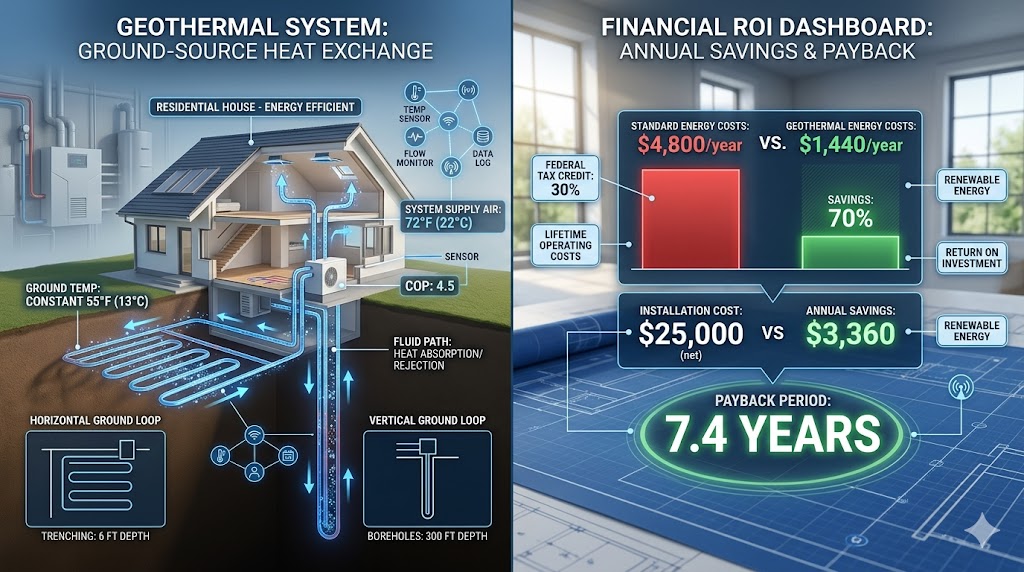
In the search for maximum energy efficiency, Geothermal HVAC (also known as a Ground Source Heat Pump) stands alone. While traditional air-source heat pumps struggle in extreme temperatures, a geothermal
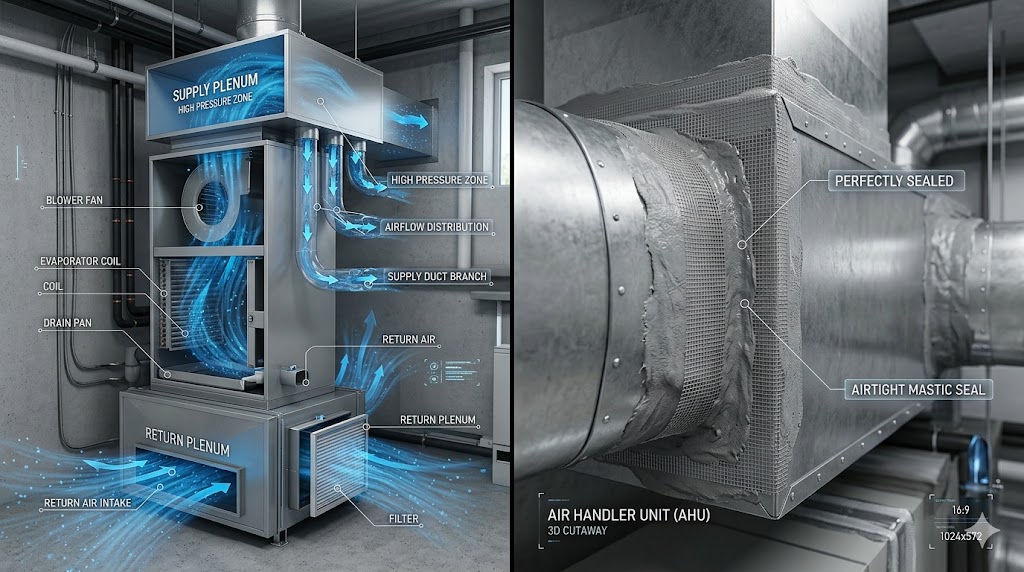
In any forced-air system, the Plenum is the critical junction box that connects your air handler or furnace to the rest of your ductwork. Think of it as a pressurized
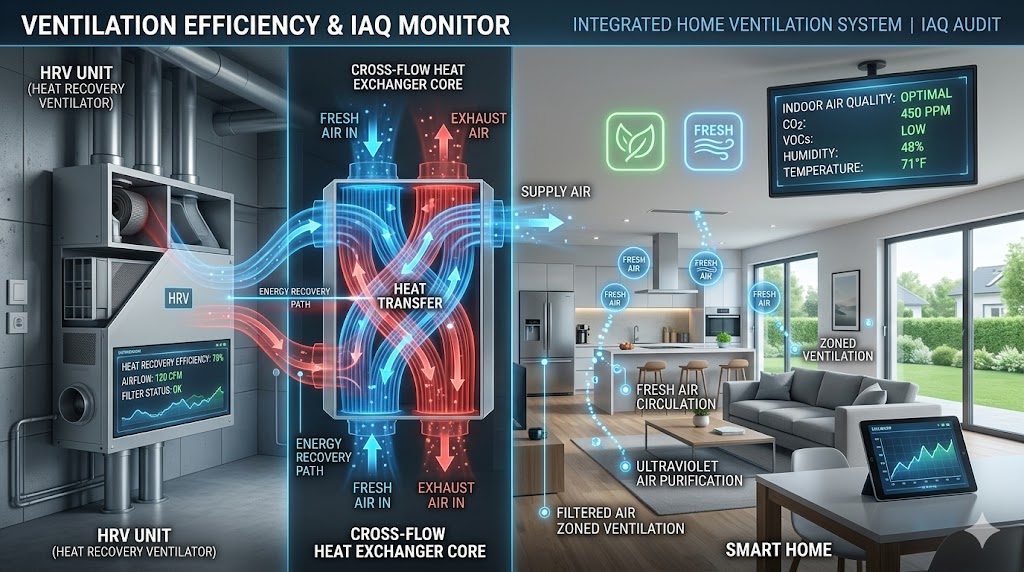
In modern, “airtight” homes, HRV stands for Heat Recovery Ventilation. As we build homes with better insulation and tighter seals to save energy, we accidentally trap stale air, odors, and
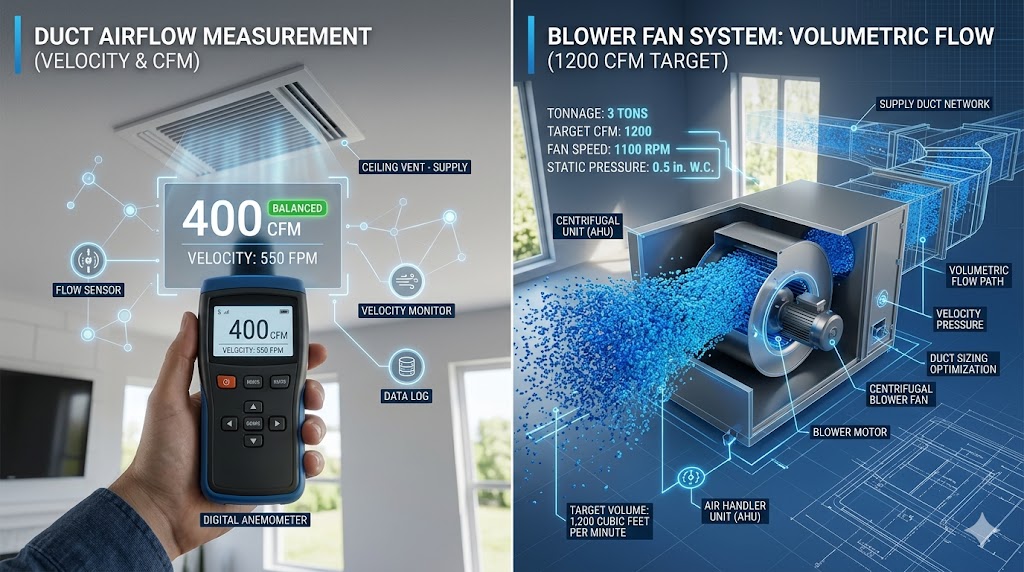
In the HVAC industry, CFM stands for Cubic Feet per Minute. It is the measurement of the volume of air moving through your system. If your air conditioner is the
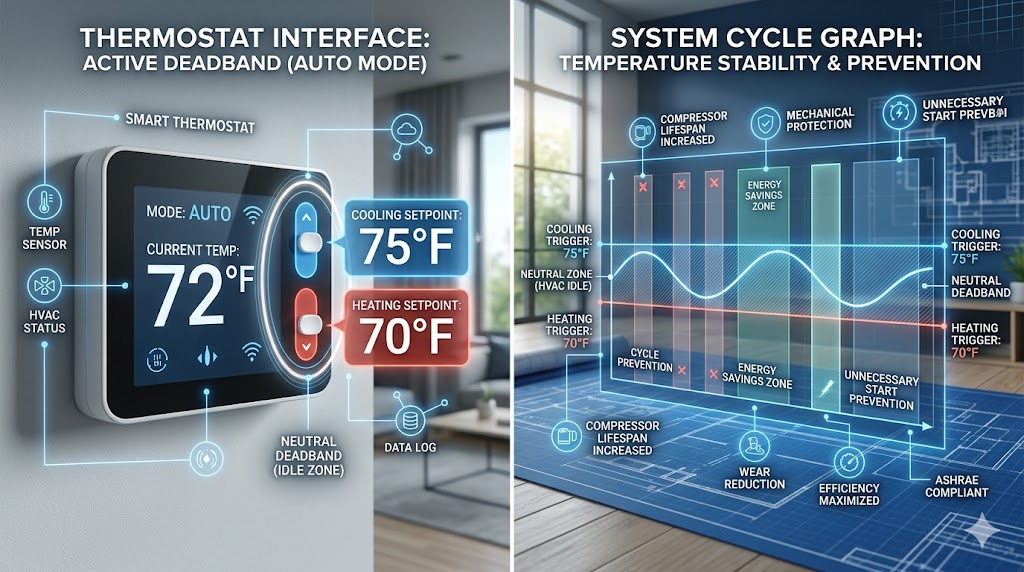
In the world of climate control, Deadband (also known as the “neutral zone”) is the range of temperature where your HVAC system is completely idle. If your thermostat is set
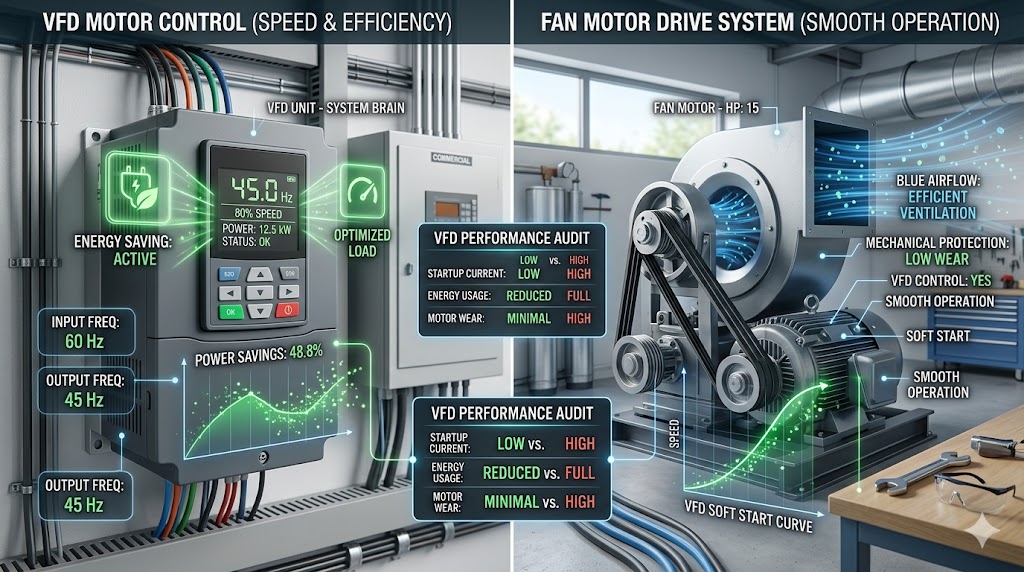
In the HVAC industry, VFD stands for Variable Frequency Drive. It is a power electronic device used to control the speed of an AC motor by varying the frequency and
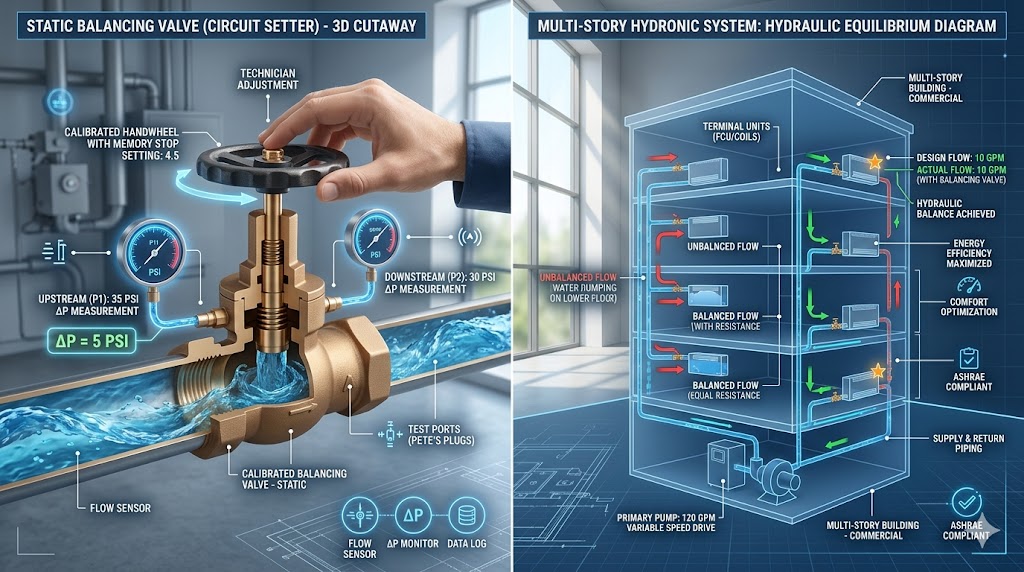
In large-scale chilled water or heating systems, a Balancing Valve is the component that ensures hydraulic equilibrium. Without them, water follows the “path of least resistance,” flooding the units closest
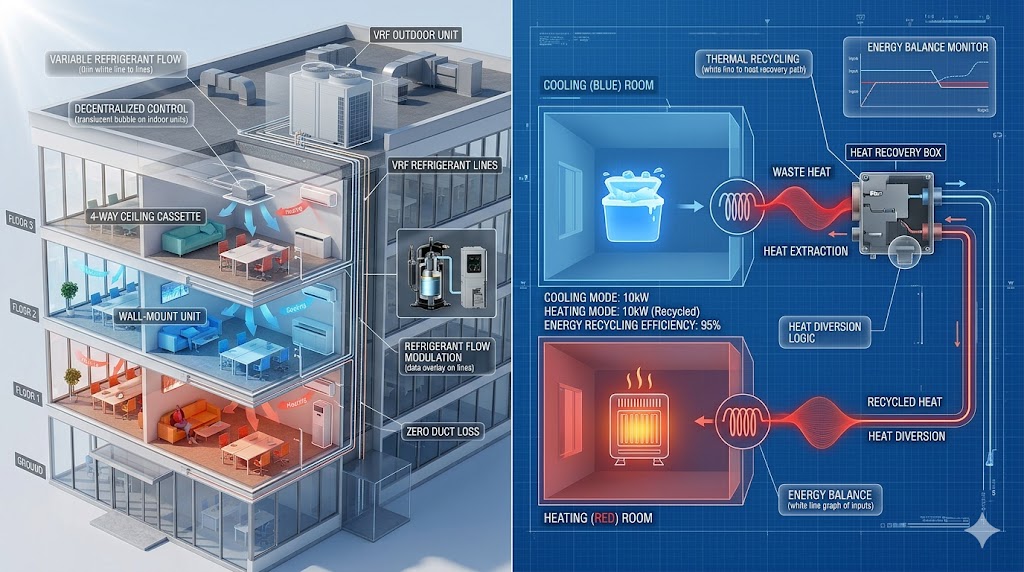
In modern building design, VRF (Variable Refrigerant Flow) represents the peak of decentralized climate control. Unlike traditional systems that are either “all on” or “all off,” VRF technology varies the